iPhone · Retina & Beyond · 2017
iPhone 8
The classic Home-button design’s swan song: glass back for wireless charging, the powerful A11 Bionic, and a base storage bump to 64 GB.
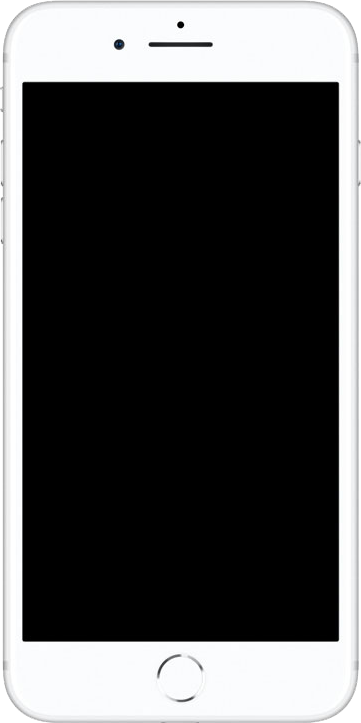
iPhone 8: key facts
When was the iPhone 8 released?
The iPhone 8 was released in September 22, 2017. Apple discontinued it in April 2020.
How much did the iPhone 8 cost?
The iPhone 8 launched at $699 in 2017 — about $895 in today’s money (approximate, US CPI).
What are the iPhone 8’s specs?
The iPhone 8 used a Apple A11 Bionic running at 2.39 GHz, with 2 GB of memory and 64 GB of storage. It ran iOS 11.
Why does the iPhone 8 matter?
Return of the glass back to enable Qi wireless charging; first Apple-designed GPU.
Full specifications
| CPU | Apple A11 Bionic · 2.39 GHz |
|---|---|
| Cores | 6 |
| Memory (RAM) | 2 GB |
| Storage | 64 GB |
| Display | 4.7" Retina HD LCD, 1334×750 |
| GPU | Apple 3-core GPU |
| Ports | Lightning |
| Weight | 148 g |
| Dimensions | 138.4×67.3×7.3 mm |
| Operating system | iOS 11 |
| Released | September 22, 2017 |
| Discontinued | April 2020 |
| Launch price | $699 |
How the iPhone 8 compares to today
A 16 GB Apple Silicon MacBook Pro has about 8.0× more memory than this device shipped with.
At 2.39 GHz, the clock is roughly 1.3× slower than a single performance core of a 16 GB Apple Silicon MacBook Pro — and that is before counting cores, width and IPC.
This held about 16,400 modern phone photos — a respectable library even today.
Launched at $699 in 2017 — about $895 in today’s money (approx., US CPI).
Cross-architecture speed figures are clock-only and approximate; inflation figures use US CPI.
Did you know?
It launched the same day as pre-orders opened for the radically different iPhone X.
Related iPhone models
Open the iPhone 8 in the interactive archive →
Last updated: 2026-06-25