iPhone · Retina & Beyond · 2019
iPhone 11
Apple dropped the flagship price and added a second ultra-wide lens and excellent Night mode — and it became the world’s best-selling phone.
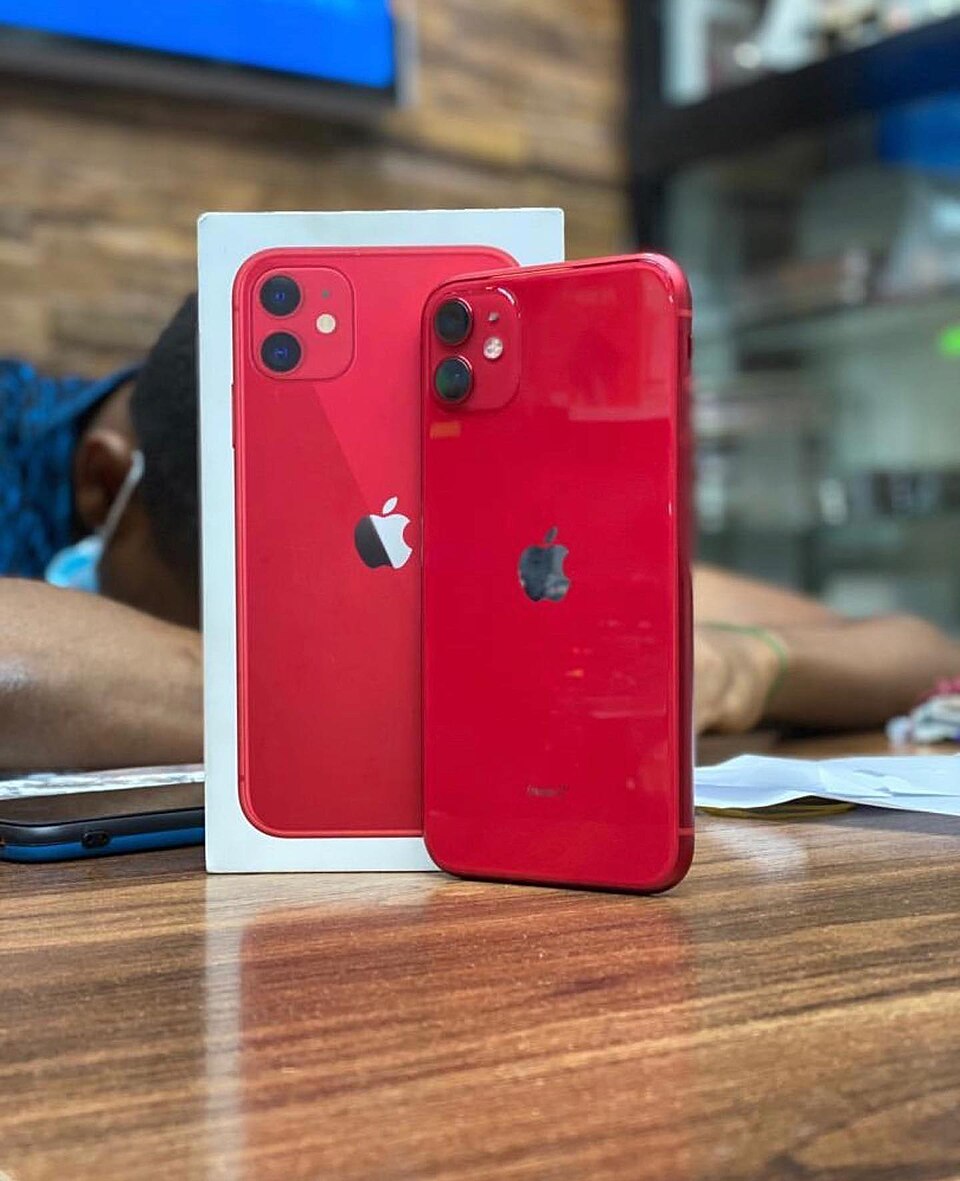
iPhone 11: key facts
When was the iPhone 11 released?
The iPhone 11 was released in September 20, 2019. Apple discontinued it in September 2022.
How much did the iPhone 11 cost?
The iPhone 11 launched at $699 in 2019 — about $860 in today’s money (approximate, US CPI).
What are the iPhone 11’s specs?
The iPhone 11 used a Apple A13 Bionic running at 2.65 GHz, with 4 GB of memory and 64 GB of storage. It ran iOS 13.
Why does the iPhone 11 matter?
Dual ultra-wide camera and Night mode at a lower, $699 price.
Full specifications
| CPU | Apple A13 Bionic · 2.65 GHz |
|---|---|
| Cores | 6 |
| Memory (RAM) | 4 GB |
| Storage | 64 GB |
| Display | 6.1" Liquid Retina LCD, 1792×828 |
| GPU | Apple 4-core GPU |
| Ports | Lightning |
| Weight | 194 g |
| Dimensions | 150.9×75.7×8.3 mm |
| Operating system | iOS 13 |
| Released | September 20, 2019 |
| Discontinued | September 2022 |
| Launch price | $699 |
How the iPhone 11 compares to today
A 16 GB Apple Silicon MacBook Pro has about 4.0× more memory than this device shipped with.
At 2.65 GHz, the clock is roughly 1.2× slower than a single performance core of a 16 GB Apple Silicon MacBook Pro — and that is before counting cores, width and IPC.
This held about 16,400 modern phone photos — a respectable library even today.
Launched at $699 in 2019 — about $860 in today’s money (approx., US CPI).
Cross-architecture speed figures are clock-only and approximate; inflation figures use US CPI.
Did you know?
Six pastel colours signalled a more playful, mainstream flagship.
Related iPhone models
Open the iPhone 11 in the interactive archive →
Last updated: 2026-06-25